
EMDR for Kids
When children express themselves using big emotions and behaviors, sometimes we adults do not quite understand what is going on inside, or maybe we do but do not know how to help.
That’s where play therapy and EMDR for kids is beneficial!


Understanding the Belief System
During a parent/guardian meeting, we will gather information that gives insight into the child’s present belief system and connected behaviors. During session with the child, there are ways that I will further understand the child's beliefs and their sense of self. With a map, we can plan treatment and track progress and changes.
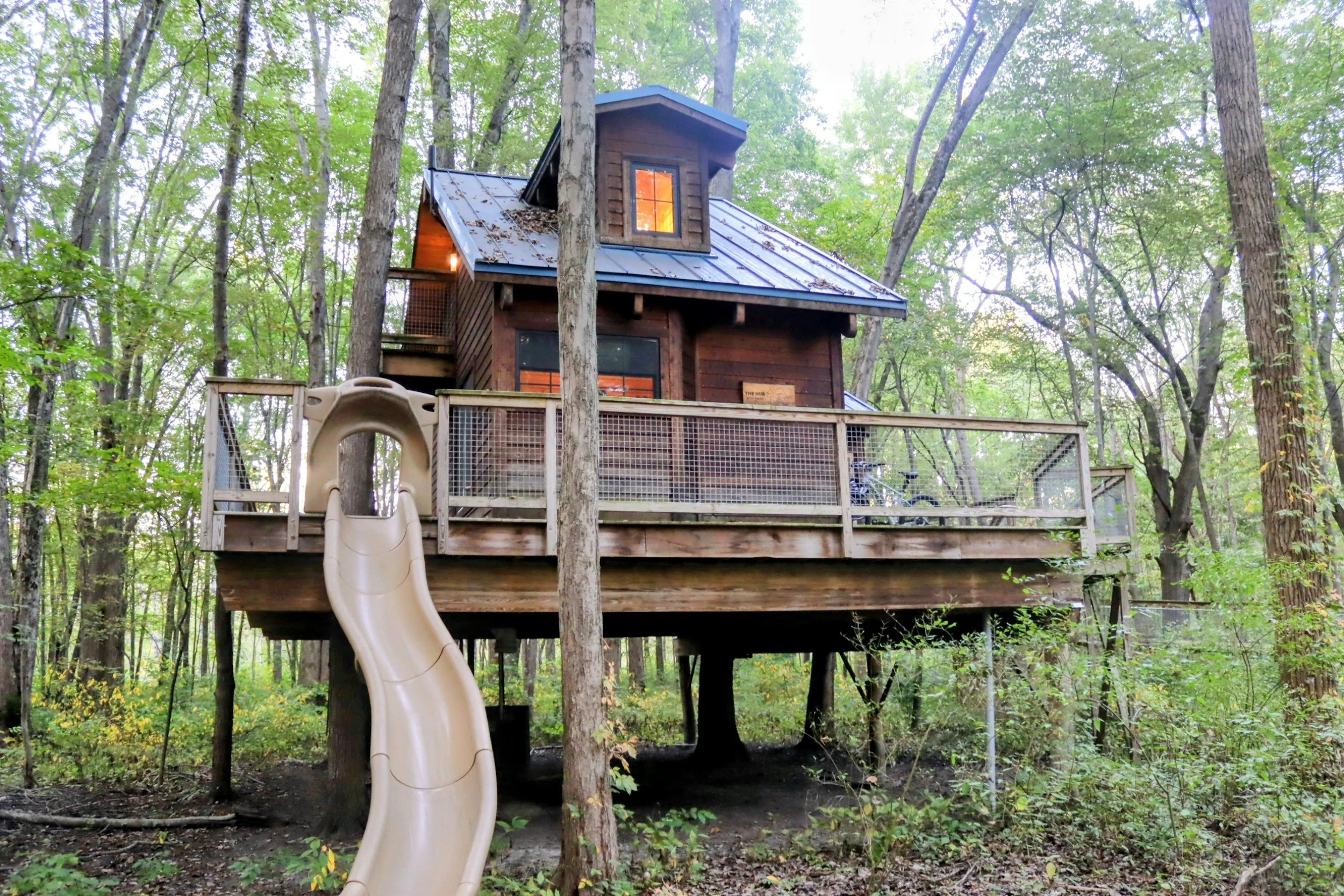
Calm, Safe Place Resourcing
After the assessment phase and getting to know the client’s inner beliefs and messaging that help and hurt their self-esteem, we spend quality time building up the resourcing, mastery, and possibility of higher self-esteem prior to working through the muck.
Stock Photo - Posed by Models
Desensitizing and Installation
Just like in the Inside Out movies, our brains work hard to store and organize our memories. However, when we get overwhelmed or overstimulated, the brain's safety system kicks in and quickly "throws" those heavy or confusing memories to the back of our mind to protect us.
Every single feeling has a vital purpose. Often, children naturally process the world egocentrically, meaning they carry the weight of adult situations and blame themselves for things out of their control. EMDR therapy helps rewrite those negative core beliefs (like "It's my fault" or "I'm bad"). By using engaging bilateral stimulation, such as fun physical movements, music, or eye tracking, we help the brain sort through the clutter. Think of it like a fun Spring cleaning session for the mind, leaving thoughts organized, lighter, and clear. From there, we can install and strengthen positive self-beliefs and practice how to respond in future experiences.